
Savile Row: The Tailors Worth Knowing
Two centuries of tailoring on one Mayfair street. Five houses worth knowing, what makes each one different, and what to expect when you commission a bespoke suit.
By The London Grooming Company
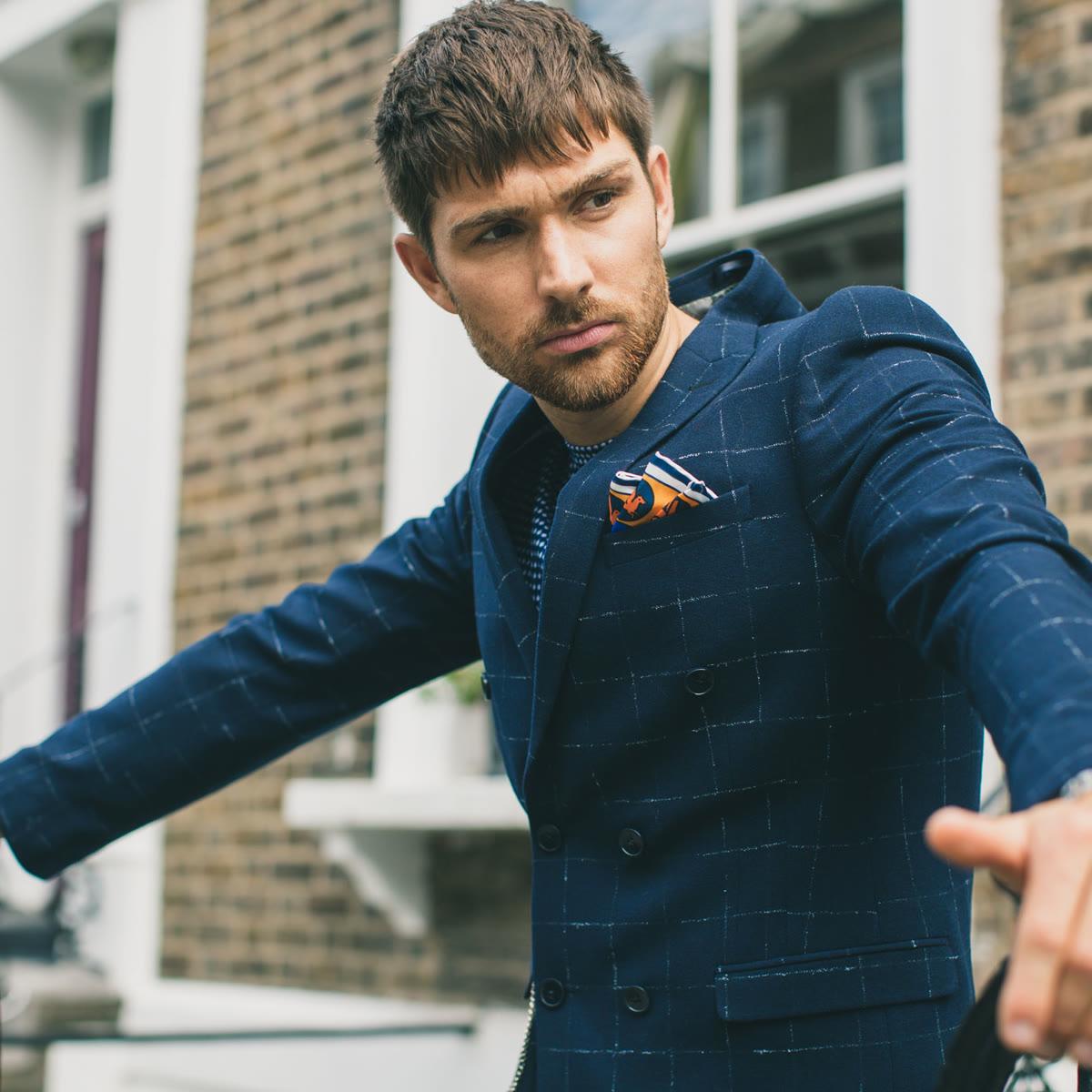
A bearded man in a navy check suit by a London townhouse
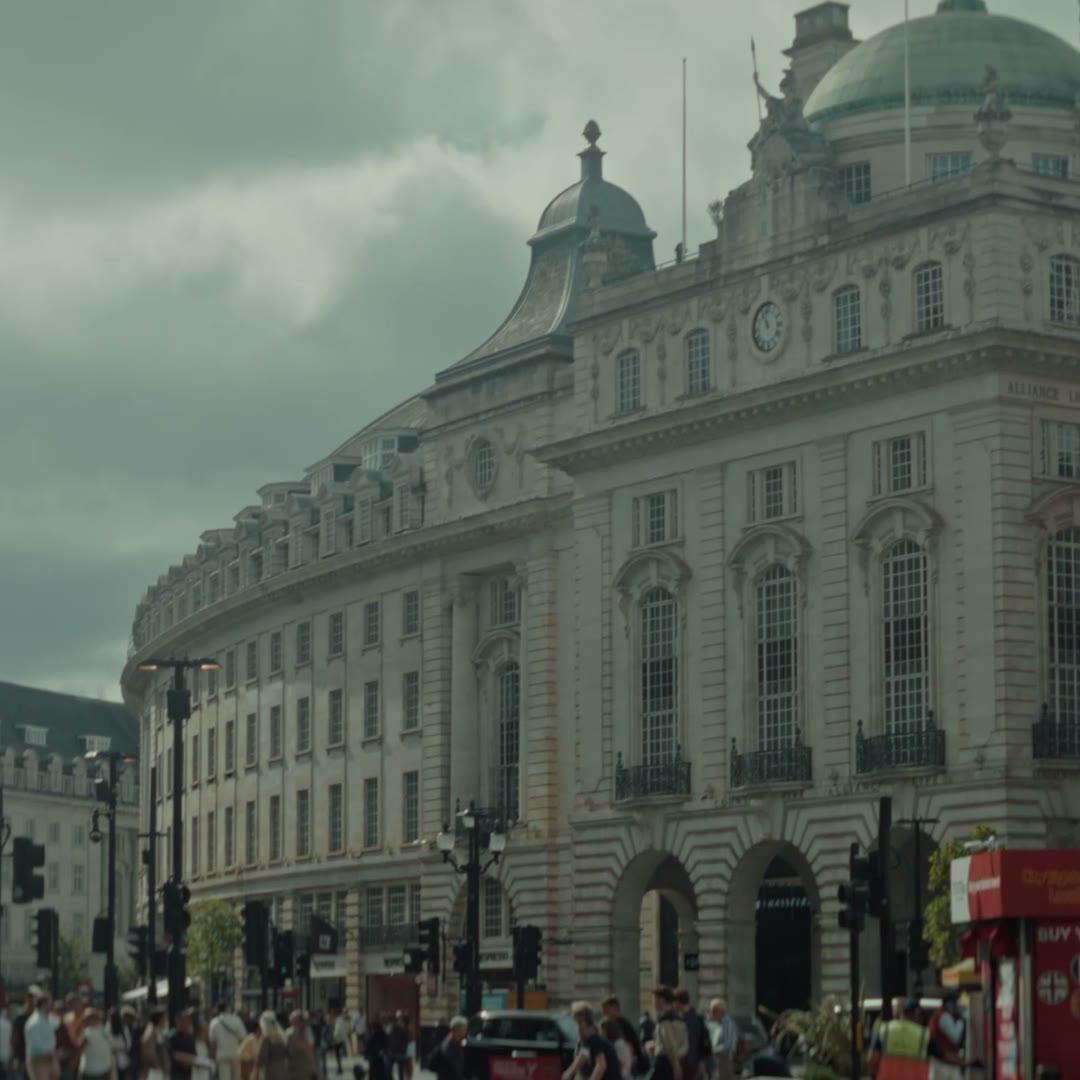
Savile Row is a short Mayfair street with a reputation far larger than its length. For more than two hundred years it has been the place men come to have a suit cut for them alone, and the houses that line it still do the work by hand, in the building, under the eye of a master cutter. If you are thinking of your first commission, or simply want to know what you are looking at when you walk past, start here.
How the Row became the Row
The street was built between 1731 and 1735 on the Burlington Estate and named after Lady Dorothy Savile. Its first residents were military officers and politicians. Tailors arrived at the end of the eighteenth century, first on nearby Cork Street and on Savile Row itself by 1803. In 1846 Henry Poole opened a Savile Row entrance to his late father's premises, and the street's identity was settled.
Not everything here is tailoring. In 1968 the Beatles' company Apple moved into No. 3, and on 30 January 1969 the band played its last live performance on the roof.
Five houses worth knowing
Henry Poole & Co
15 Savile Row. James Poole founded the firm in 1806, making military uniforms during the Napoleonic Wars, and his son Henry made it the founding name of the Row. The house is widely credited with cutting the first modern dinner jacket, a short evening coat made for the Prince of Wales, later Edward VII. When James Potter of Tuxedo Park, New York, had one made in 1886, his club copied it and Americans named it the tuxedo. The firm has been in the same family for five generations.
Gieves & Hawkes
1 Savile Row. The house dates itself to 1771 and has been at No. 1 since 1913, in a townhouse it describes as designed by William Kent. Its roots are military, and it still calls itself outfitters to the Services. The building reopened in September 2026 after a long refurbishment, with a full bespoke workshop, a made-to-measure service and a military department under one roof.
Huntsman
11 Savile Row. Henry Huntsman founded the house in 1849 and it moved to No. 11 in 1919. Its first royal warrant, in 1886, was as leather breeches maker to the Prince of Wales. The Huntsman cut is known for structured shoulders, high armholes and a long, slightly shaped waist, usually with a single button. Film fans will know the shopfront from Kingsman.
Anderson & Sheppard
32 Old Burlington Street. Founded in 1906 at 13 Savile Row, the firm moved round the corner in 2005 and is known for the English drape cut, a softer, more comfortable shape than the old military style. Its clients have included Fred Astaire, Gary Cooper and Noël Coward. It holds a royal warrant, and its Haberdashery on Clifford Street sells ready-to-wear.
Dege & Skinner
10 Savile Row. Established in 1865, Dege & Skinner describes itself as one of the oldest bespoke tailoring firms still trading anywhere. It has a long history of military uniforms and makes bespoke shirts alongside suits, all cut and made at No. 10.
What bespoke means here
"Bespoke" simply means made to order. On Savile Row it means a suit cut and made by hand. The Savile Row Bespoke Association, founded in 2004, sets the standard for its full members:
- Every garment is cut from its own paper pattern, made by a master cutter.
- A two-piece suit typically has at least fifty hours of hand work.
- The house is based within a hundred yards of Savile Row and makes most of its bespoke work there.
- Customers can choose from at least two thousand cloths.
- Aftercare, from pressing to repairs, is part of the service.
The hand work is what you are paying for: fronts canvassed by hand, sleeves set by hand, buttonholes sewn by hand. Generous inlays are left in the seams so the suit can be let out or taken in for years to come.
Your first commission
Ring ahead and book a first appointment. Expect to talk about how you will wear the suit before anyone talks about cloth, and expect to come back for fittings as it is made. A first bespoke suit is a commitment of time as much as money, and the best tailors will tell you so plainly.
A suit that sits this well deserves hair to match. For a clean, classic finish that holds through a long day, try our Pomade.