
1308: The Year London's Barbers Organised

The first written trace of organised grooming in London is a single appointment. In 1308 the City's Court of Aldermen chose a barber named Richard le Barbour and gave him one job: to keep order among his fellow barbers. There was no hall and no charter yet, but from that moment London's barbers answered to someone.
A trade with a wide brief
A medieval London barber did far more than cut and shave. The trade covered haircutting and hairdressing, shaving, cleaning the ears and scalp, and a list of jobs we would now leave to a doctor or dentist: lancing boils, bloodletting, leeching, cupping and pulling teeth. With that much at stake, the City wanted the work watched over, and the guild did the watching.
From guild to company
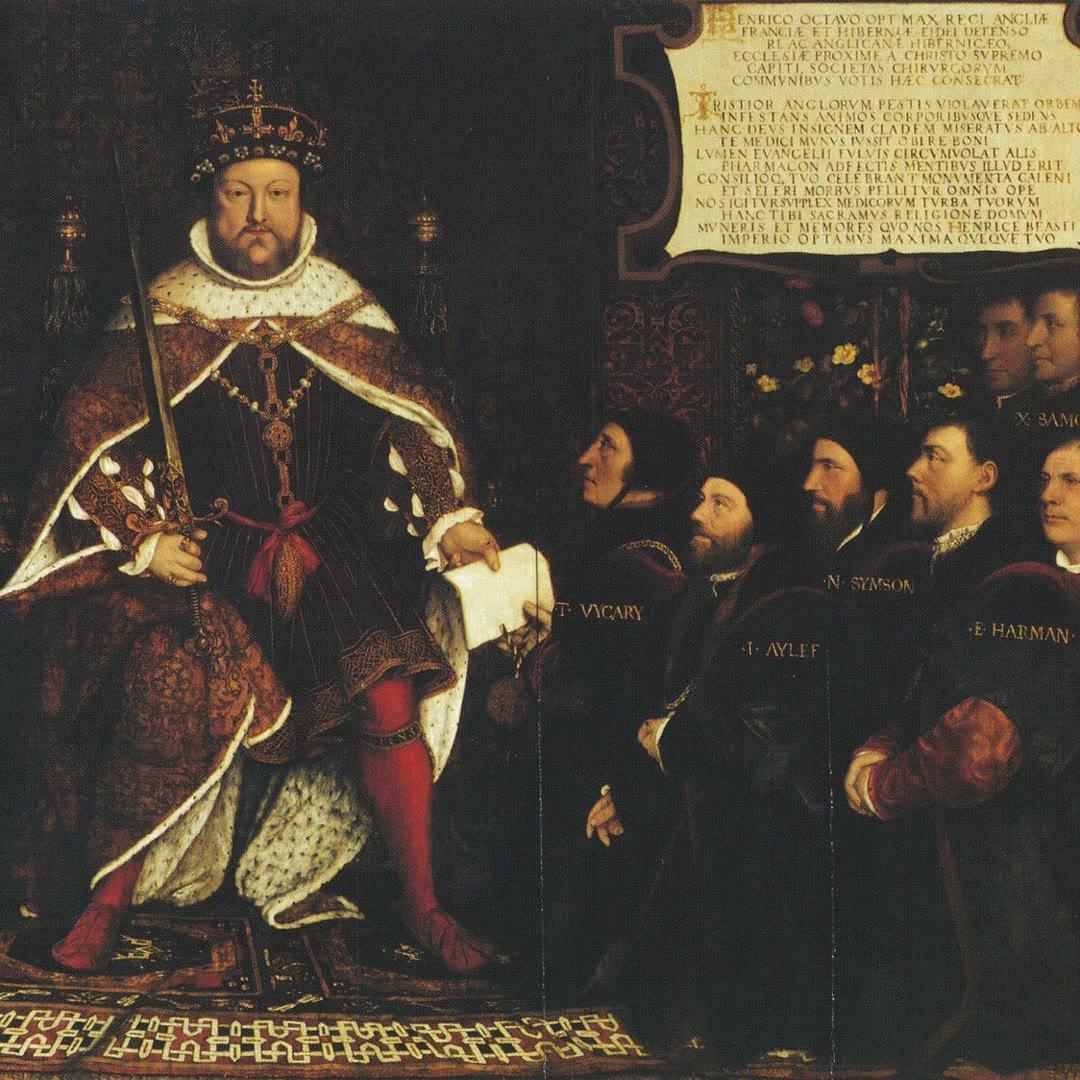
Surgeons were allowed their own fellowship in 1368, but the barbers' guild kept oversight of surgery in London. In 1451 the barbers were granted a coat of arms, and in 1462 a royal charter turned the guild into a company: the body that survives today as the Worshipful Company of Barbers, seventeenth in the City's order of precedence.
How you became a barber
Entry was earned. An apprentice spent seven years living and working in the household of an experienced barber-surgeon, then showed his skill to examiners appointed by the company and paid a fee to join. Only then could he practise in the City.
Why it still matters
The idea at the heart of that first appointment, that grooming should be done properly and held to a standard, has run through London ever since. The tools have changed. The expectation hasn't.