
Beau Brummell and the Daily Routine
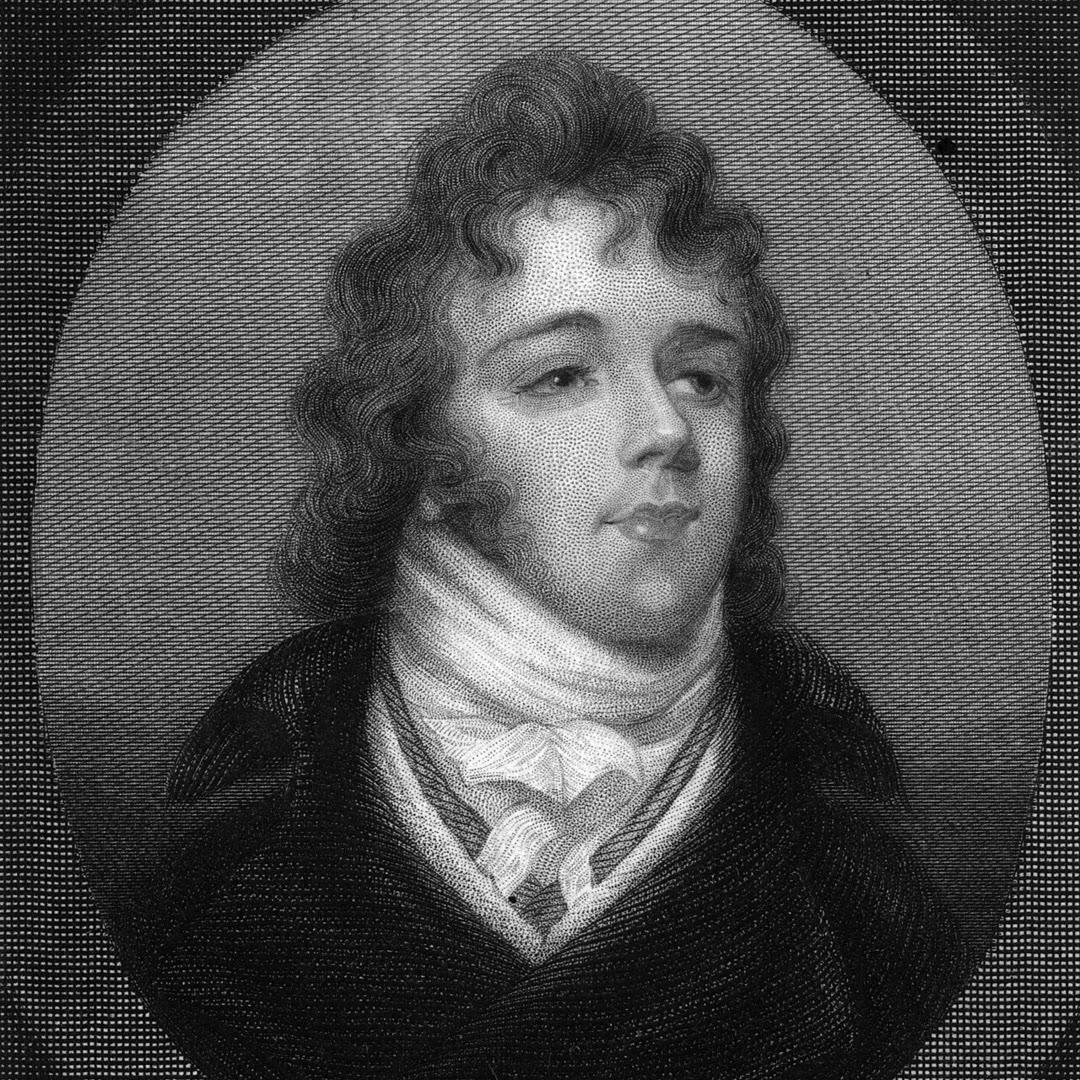
George Bryan Brummell was born in London on 7 June 1778. He became the most influential man in Regency fashion, and not through anything flamboyant. What set him apart was how clean he was.
A routine, not a costume
Brummell cleaned his teeth, shaved and bathed every day. In an age when none of that was a given, people noticed, and the upper ranks of London society began to copy him. He claimed to spend five hours a day dressing. The Prince Regent, later George IV, would spend hours in Brummell's dressing room simply watching the routine.
Less, done well
His look was plain on purpose: immaculate shirt linen, a dark well-cut coat and a carefully knotted cravat, the detail he is best remembered for. The point was precision, not decoration. The plaque on his statue puts it in one line: "to be truly elegant, one should not be noticed."
The fall
The friendship with the Regent soured from 1811, and in July 1813, snubbed by the Regent at a masquerade at Watier's club, Brummell turned to his companion and asked, "Alvanley, who's your fat friend?" By 1816 debts had caught up with him and he left for France. He died in Caen in 1840.
Jermyn Street
In 2002 a statue of Brummell by Irena Sedlecká was put up on Jermyn Street, at the corner of Piccadilly Arcade. He never lived there, but the street suits him. Laid out around 1664 and named after Henry Jermyn, 1st Earl of St Albans, it became London's street for gentlemen's shirtmakers, with shaving brushes, colognes and barbers alongside. The perfumer Floris still has display cabinets bought from the Great Exhibition of 1851.
Two centuries on, the habits Brummell made fashionable are simply what a well-kept man does each morning.