
A Short History of the Moustache in London
Once frowned upon, then compulsory for every soldier, then suddenly optional. The moustache has had a long and eventful life on London's upper lips.
By The London Grooming Company
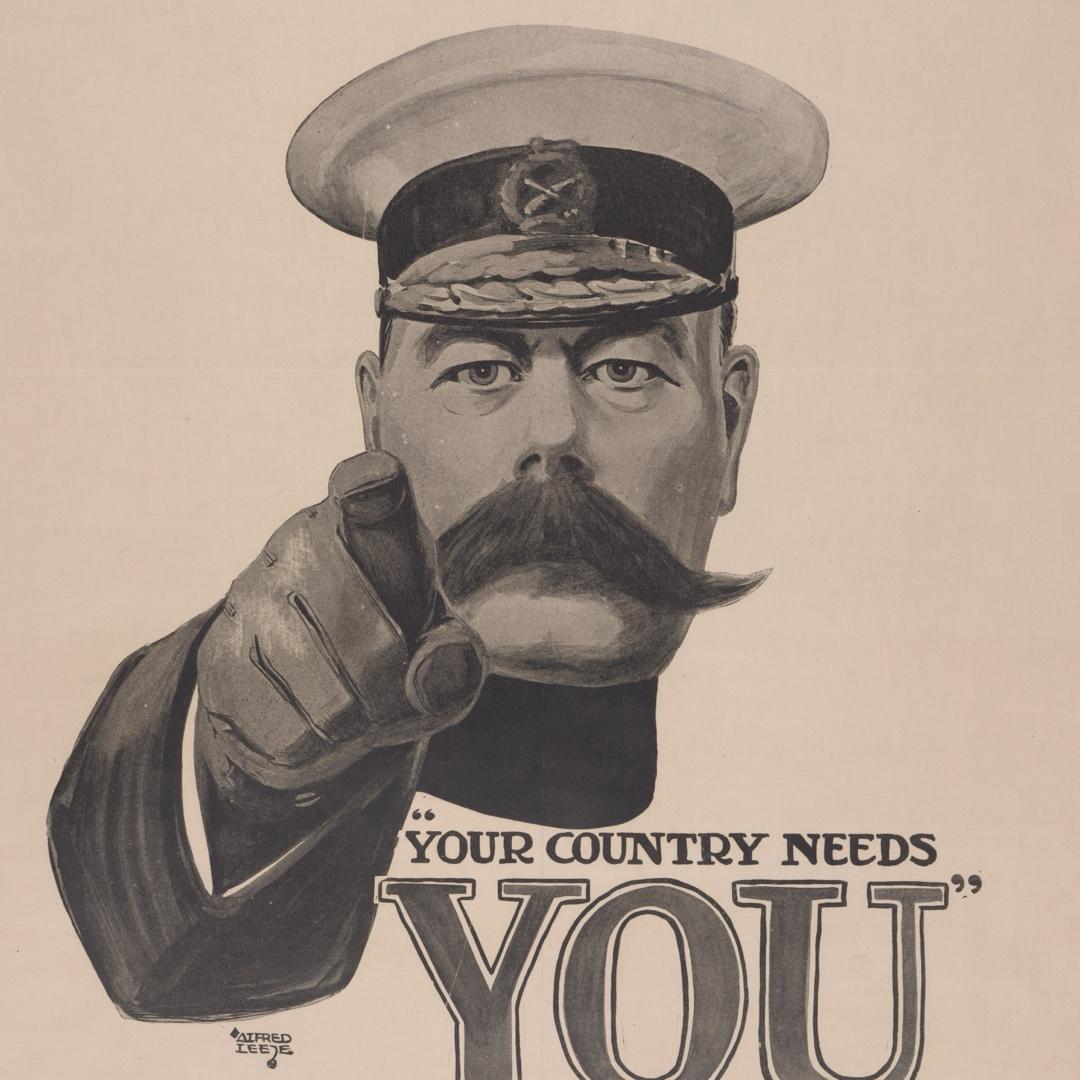
Alfred Leete's 1914 London Opinion cover of Lord Kitchener, with his famous moustache, pointing above the words Your Country Needs You (public domain)
Few things have gone in and out of fashion in London as dramatically as the moustache. In the early nineteenth century a respectable Englishman was expected to be clean-shaven. By the 1860s moustaches were everywhere, and for more than half a century the British Army required every soldier to wear one. Then, in the middle of the First World War, the rule disappeared overnight.
A foreign habit
At the start of the Victorian era, facial hair was viewed with some distaste in polite society. A moustache looked military, and foreign. British officers had noticed the whiskers of their French opponents during the Napoleonic Wars, and in India a moustache was a sign of status that British soldiers began to copy. In 1831 the 16th Lancers were permitted to wear them, but at home the fashion was slow to take hold. One early civilian pioneer was George Frederick Muntz, MP for Birmingham, whose moustache drew comment in the 1840s. Not everyone approved. Lord Dalhousie, Governor-General of India, complained that he hated to see an English soldier made to look like a Frenchman.
The mood was turning, though. In 1853 Charles Dickens's magazine Household Words ran a piece called "Why Shave?", and in 1854 Lord Frederick FitzClarence ordered the European troops of the East India Company's Bombay army to grow moustaches.
The Crimea changes everything
The turning point was the Crimean War, which began in October 1853. In the bitter cold, soldiers were allowed to stop shaving, and they came home bearded and moustached. Queen Victoria, watching the returning troops in March 1856, wrote in her journal that they looked like real fighting men. At home, men copied the style, and by the 1860s the moustache had become wildly popular. Its popularity peaked in the 1880s and 1890s, when a well-kept moustache was part of the uniform of a London gentleman.
Men of the moustache
Some Victorians took it very seriously. The explorer Sir Richard Burton is said to have fought a duel at Trinity College, Oxford, after a fellow student mocked his moustache. Generals became known for theirs, among them Frederic Thesiger, who rose to prominence in the Zulu War in the late 1870s, and Field Marshal Lord Roberts.
Compulsory, by order
The Army went further than fashion. Under the King's Regulations, soldiers were to shave the chin and under-lip, "but not the upper lip". In practice that made the moustache compulsory, and it remained so for decades.
The most famous moustache of the period belonged to Lord Kitchener. On 5 September 1914, a month after he became Secretary of State for War, the weekly magazine London Opinion ran a cover drawn by Alfred Leete: Kitchener pointing straight at the reader above the words "Your country needs you". His bushy moustache and high collar made him recognisable without a name, and the image became one of the best-known recruiting posters of the war.
Optional, overnight
The rule did not last the war. In October 1916 an Army Order deleted the words "but not the upper lip", making the moustache optional. It was signed by the Adjutant-General, Sir Nevil Macready, who is said to have disliked his own moustache and to have visited a barber that same evening. Sources differ on the exact date of the order, so we have left it at October.
Waxes, cups and spoons
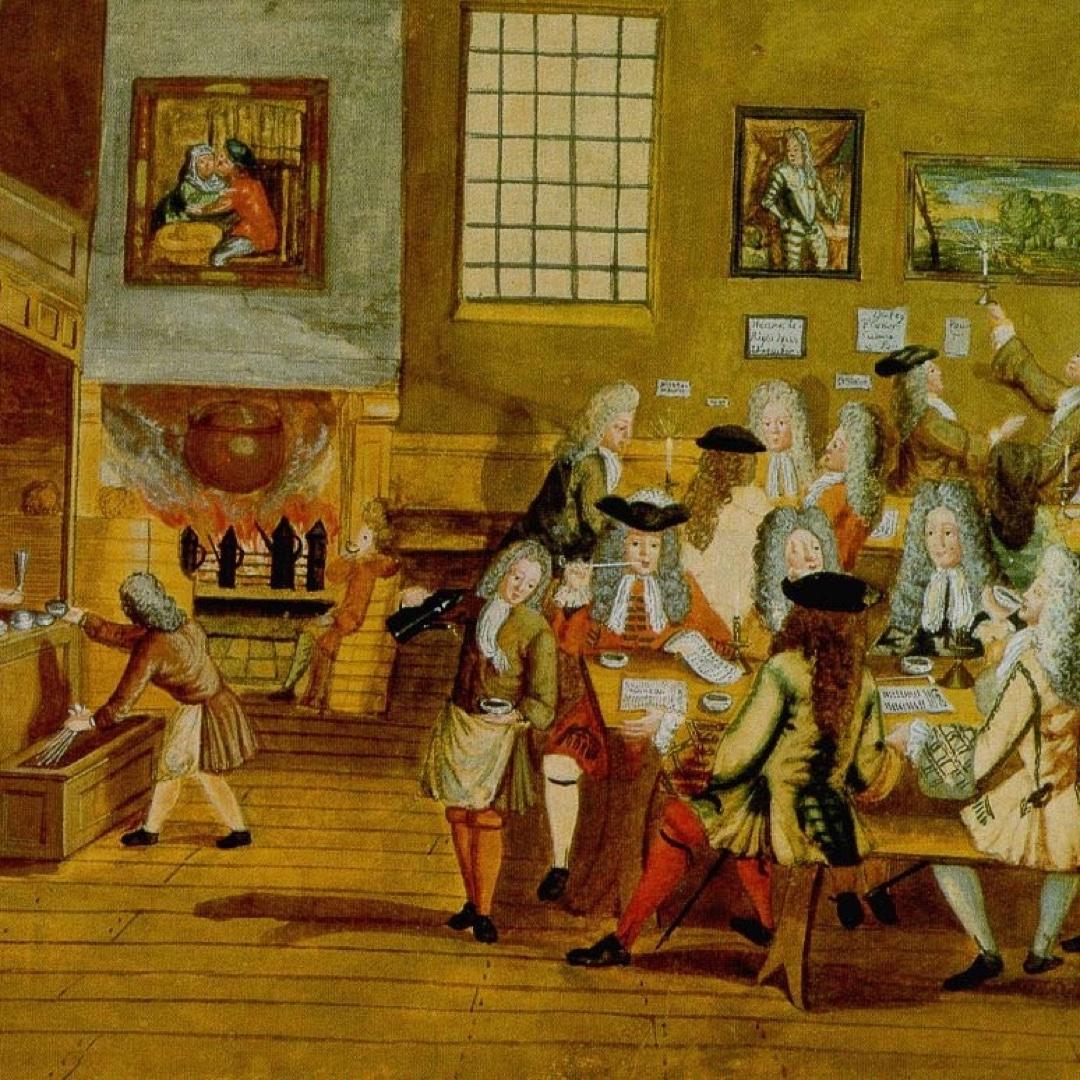
A Victorian moustache took work. Waxes kept the ends in shape, and combs, brushes and even moustache nets kept the rest in order. Drinking tea was a hazard, since steam could melt the wax into the cup. The answer was the moustache cup, with a small ledge across the rim to keep the moustache dry, generally credited to the potter Harvey Adams in the second half of the century. For soup, there were moustache spoons.
Decline and return
As the twentieth century went on, the clean-shaven face became the norm for many men. The moustache never vanished from London, though. In 1947 a group of enthusiasts, among them the comedian Jimmy Edwards, founded the Handlebar Club, which still meets today. Its one rule for members is a moustache with "graspable extremities", and beards are not allowed.
Today the moustache is back as a choice rather than a duty, and the old Victorian tools still do the job. A little moustache wax keeps the shape, and a drop of beard oil keeps the hair and the skin beneath it soft.